Our Story
During the past 2 years a small group of Indigenous and settler women began to pray, weep and dream together about a possible new work of transformational relationships with incarcerated Indigenous women as well as justice advocacy with and for incarcerated Indigenous women.
To build trust and become a team, we shared meals, listened well to each other through cultural differences and honestly addressed conflicts, and learned from wise, experienced Indigenous and other local leaders about incarceration, trauma, and the Canadian systems that work together to funnel Indigenous women into prison.
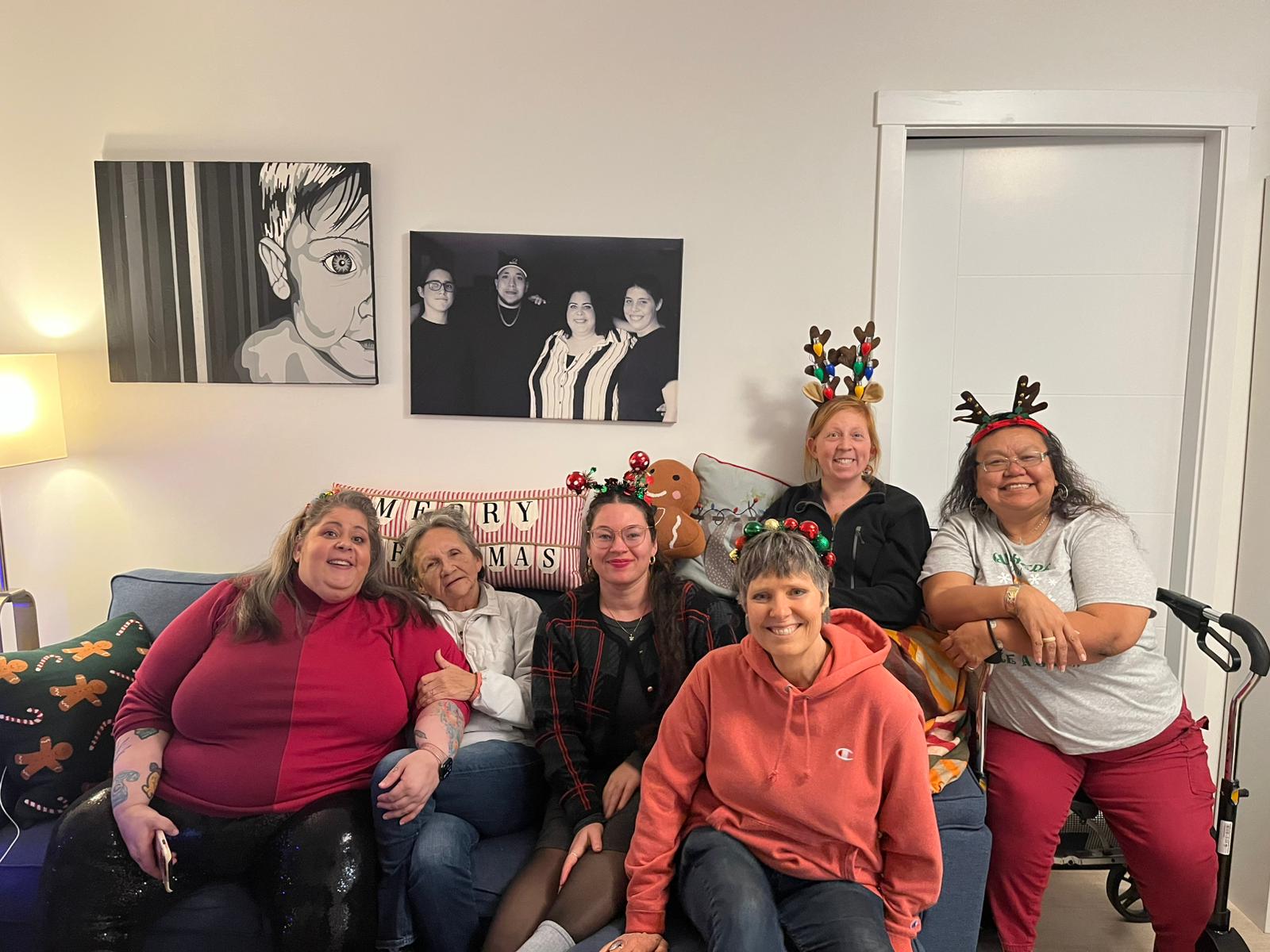
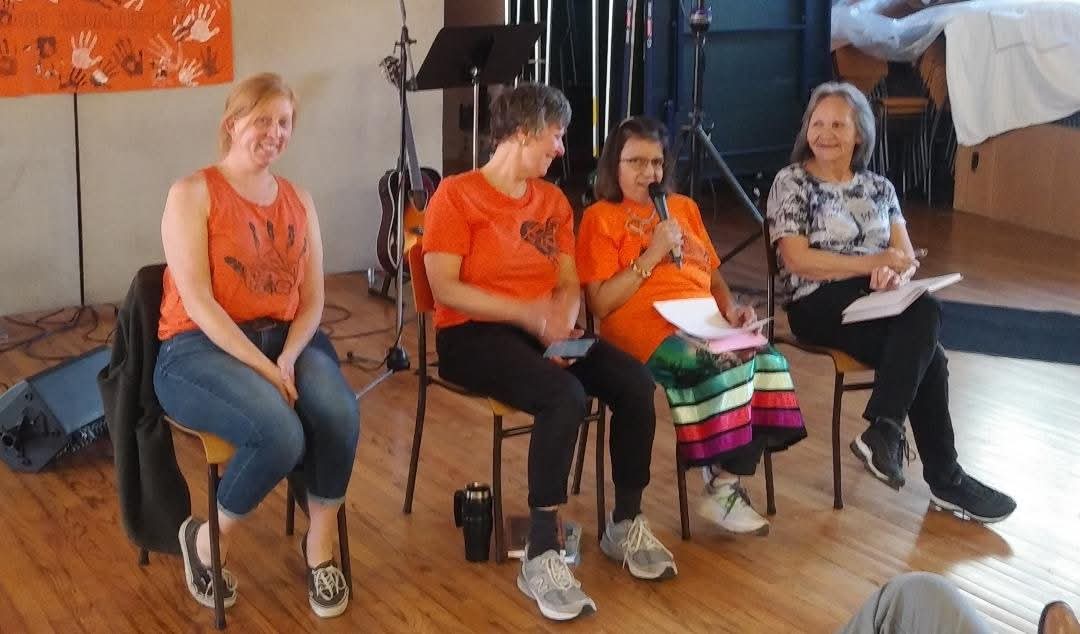
Sisters Walking Together is a team of Indigenous and settler women living in the Vancouver area, committed to walking alongside incarcerated and recently-released women no matter what their situation as they transition and re-integrate.
Within our team, our members have experienced the realities of 60’s scoop, the foster care system, incarceration, substance abuse and recovery, among other things.
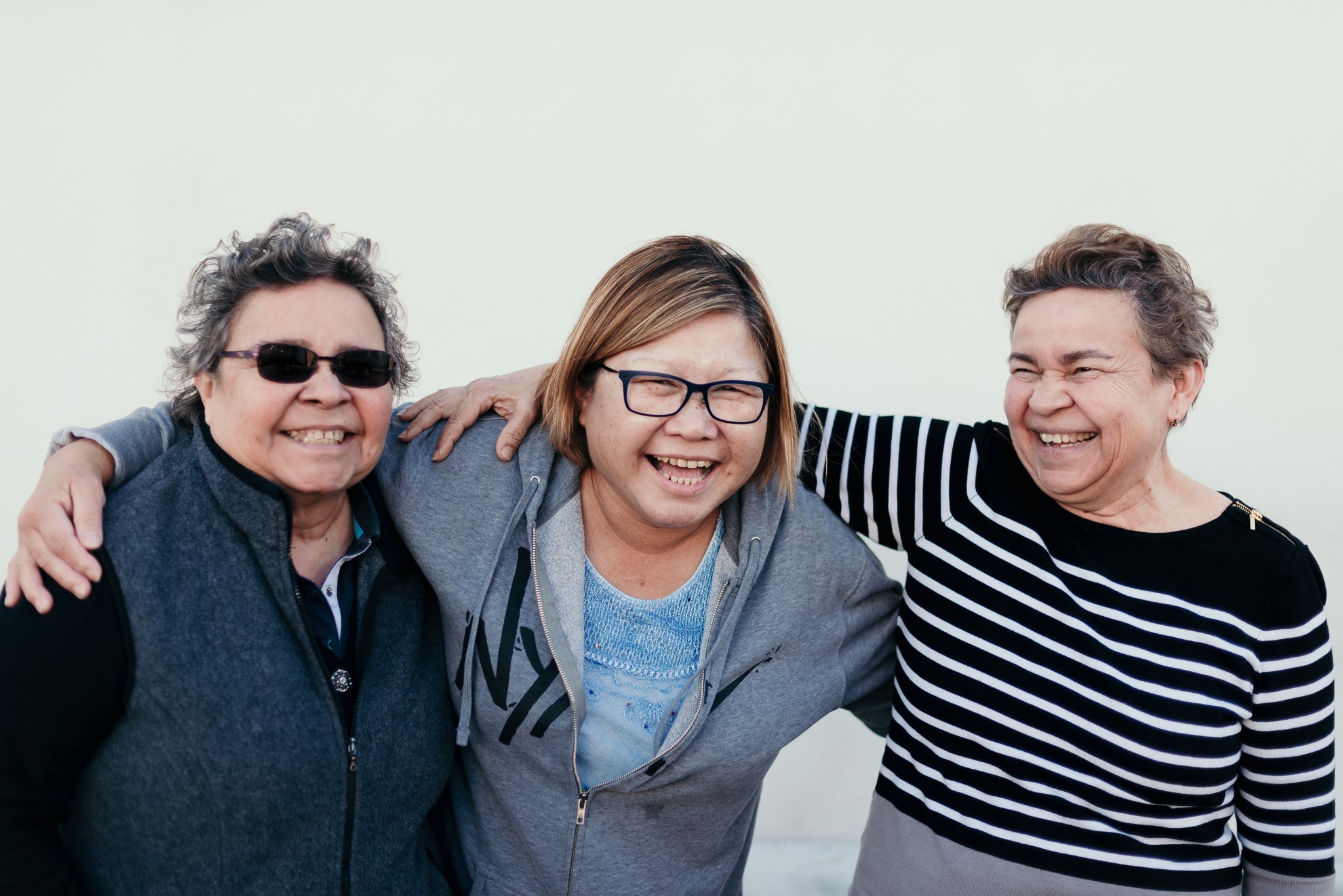
Sandra is a Cree-Métis woman from The Pas, Manitoba and a survivor of the 60s Scoop. She spent nearly nine years as a support worker at Union Gospel Mission and brings lived experience and GBV training to the team. She serves on the boards of the Aboriginal Women Action Network (AWAN), Disability Foundation Canada, Inclusion BC, and BCPF, and runs her own business, Lil’ Kokum’s Corner.
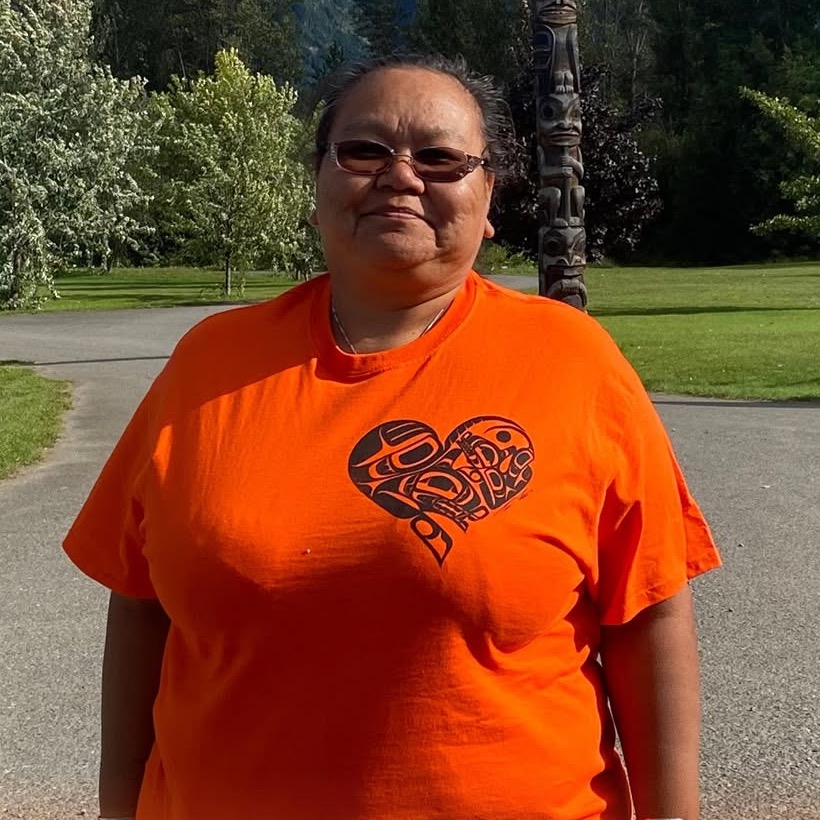
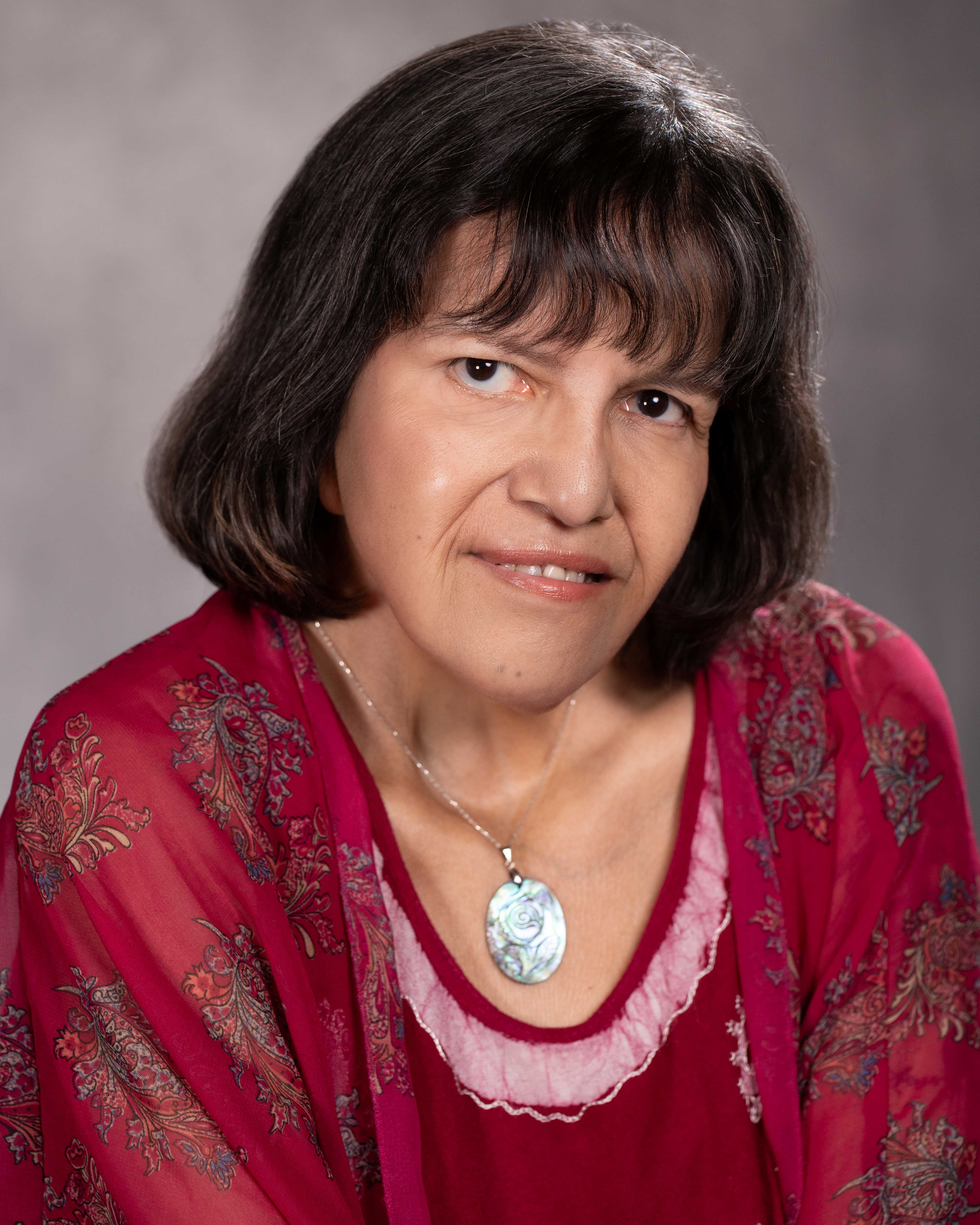
Angel Joy is Gitxsan from Gitanmaax and has lived in Vancouver since 2017. Her Gitxsan name is Tk’al wimiluxw Simoigit Lax’ha, and she carries a rare second name, Skaa laax — “one who lies in front of the den.” A mother of four, grandmother of twelve and great-grandmother, she brings her encounters and personal revelations of God, believing she is called for this season to walk with Sisters Walking Together.
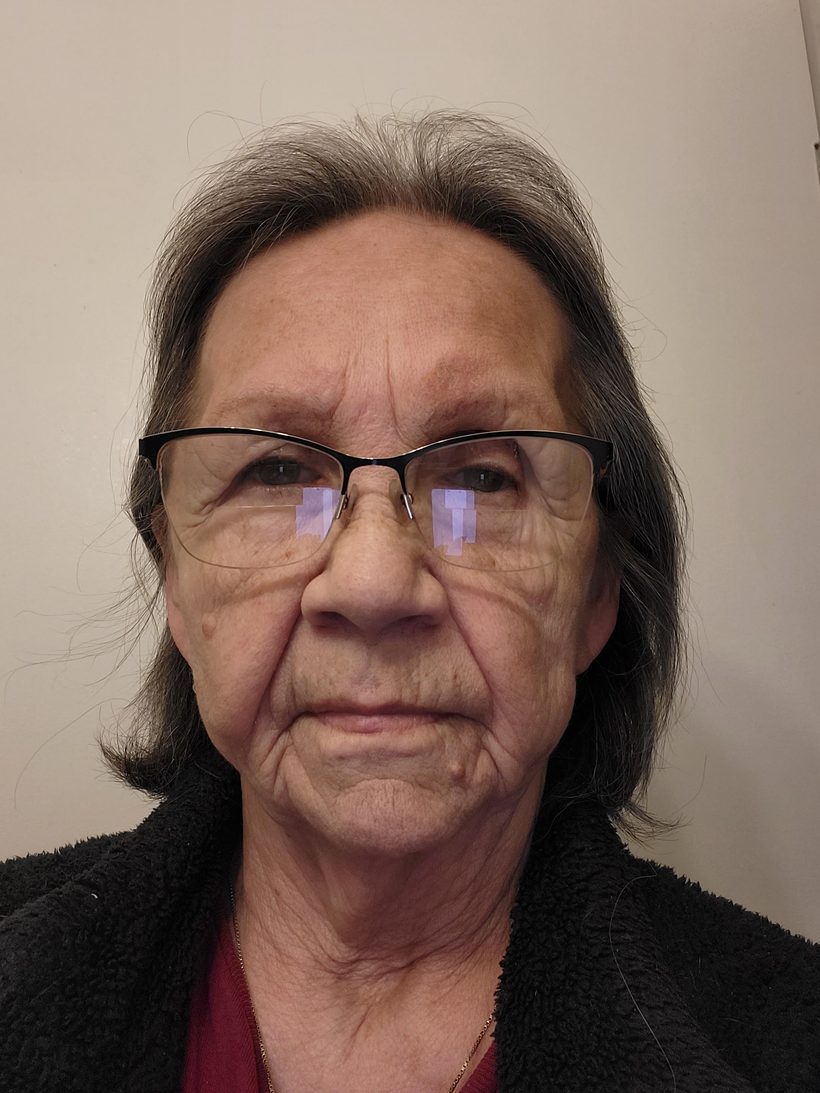
Gilakasla. Hello, my name is Martha. I’m an Indigenous Elder from the Kwaguitl Nation(Vancouver Island) who comes from a background of lived experience in addictions and prison. I’m a peer support, advocate and researcher. My passion is to aid prisoners. I have known Christ from a young age and now reformed, I rely heavily on Him to keep me grounded daily.
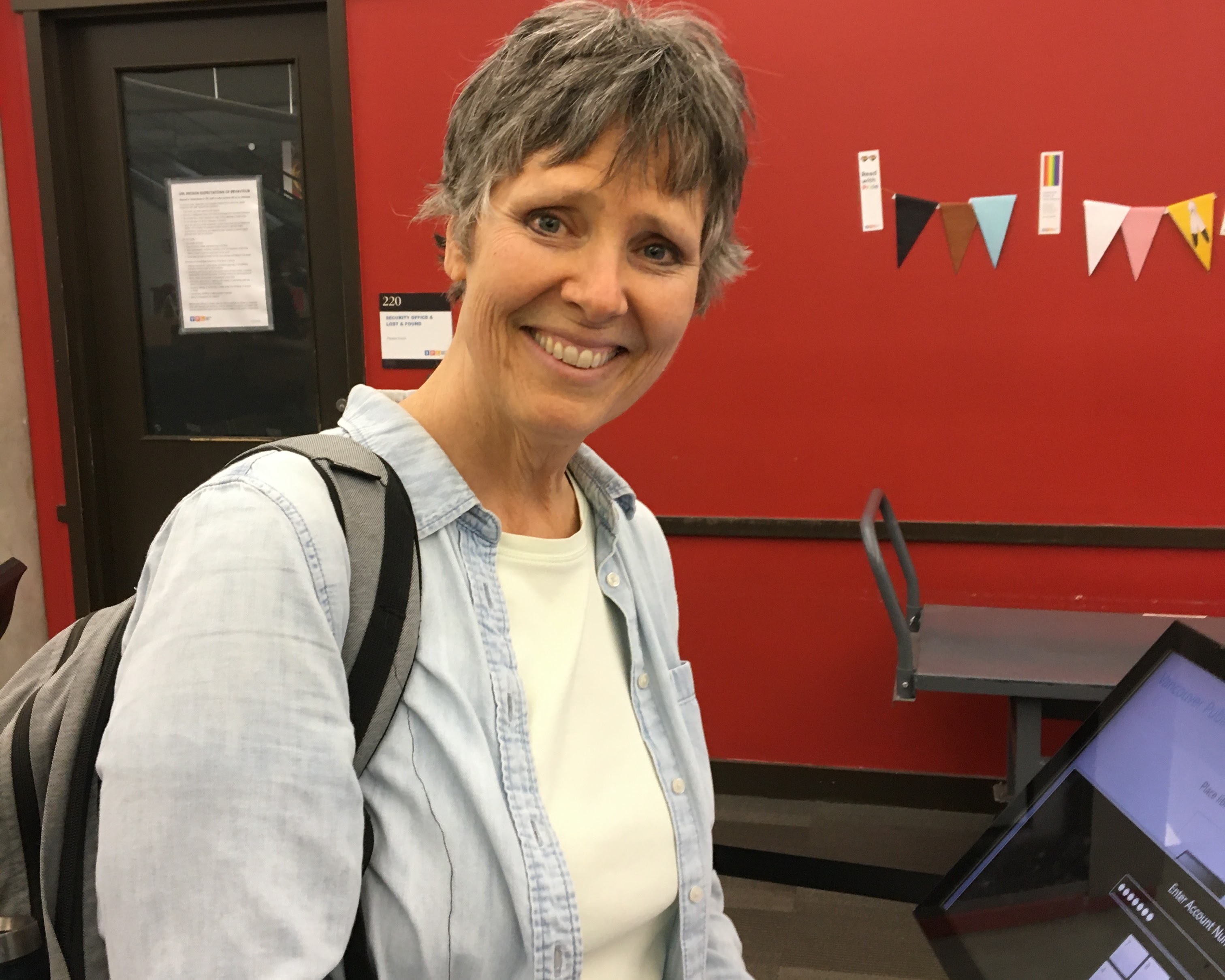
Mary-Lee is a 4th generation Dutch settler, born on Niitsitapi ancestral territory and has lived since 2006 on unceded Coast Salish lands. A community pastor and justice activist working to end sexual exploitation and violence against women, for years she’s listened and learned from Indigenous women who experienced sexual violence, foster care and incarceration. Mary-Lee is part of the Sisters Walking Together team because she loves being part of supportive community and she wants to work with others for justice for Indigenous women.
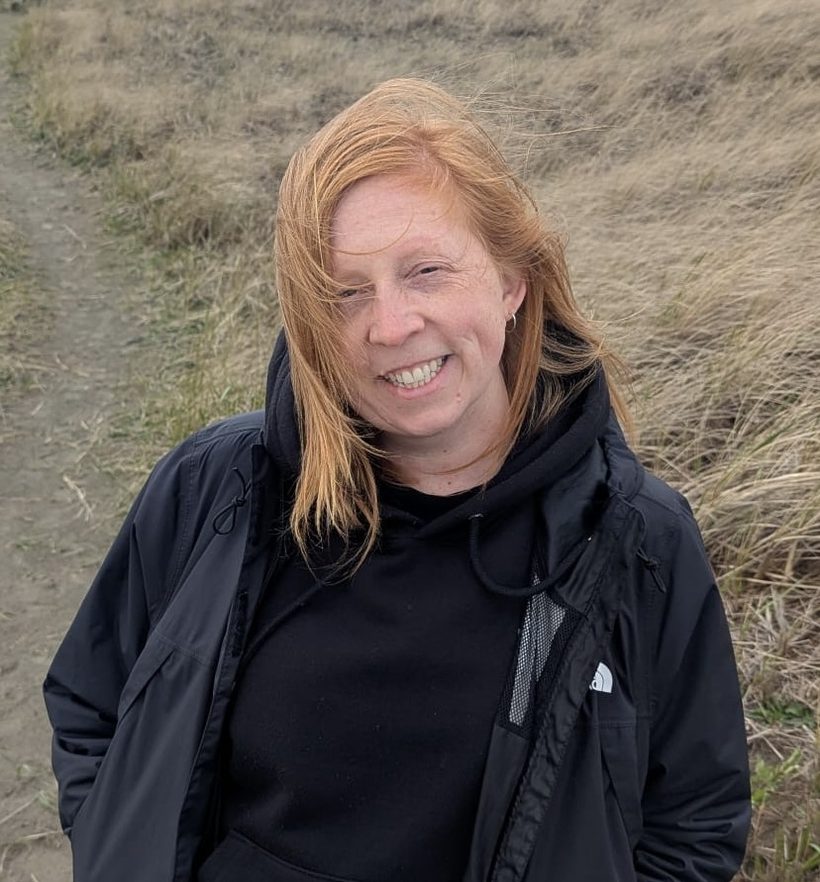
Jenny Hawkinson is a third generation Norwegian-American settler born in Seattle; home to the Duwamish Tribe. She has lived and worked as a street chaplain and artist in the Downtown Eastside of Vancouver since 2010, and has come alongside many individuals to support and advocate, but mostly to learn. She joined Sisters Walking Together because she wants to lean in to the good work of women supporting women by recognizing the gifts that the Creator God has put inside each of us, and to be a part of the network of friendship and connection for women when they get out.
Bio coming soon.
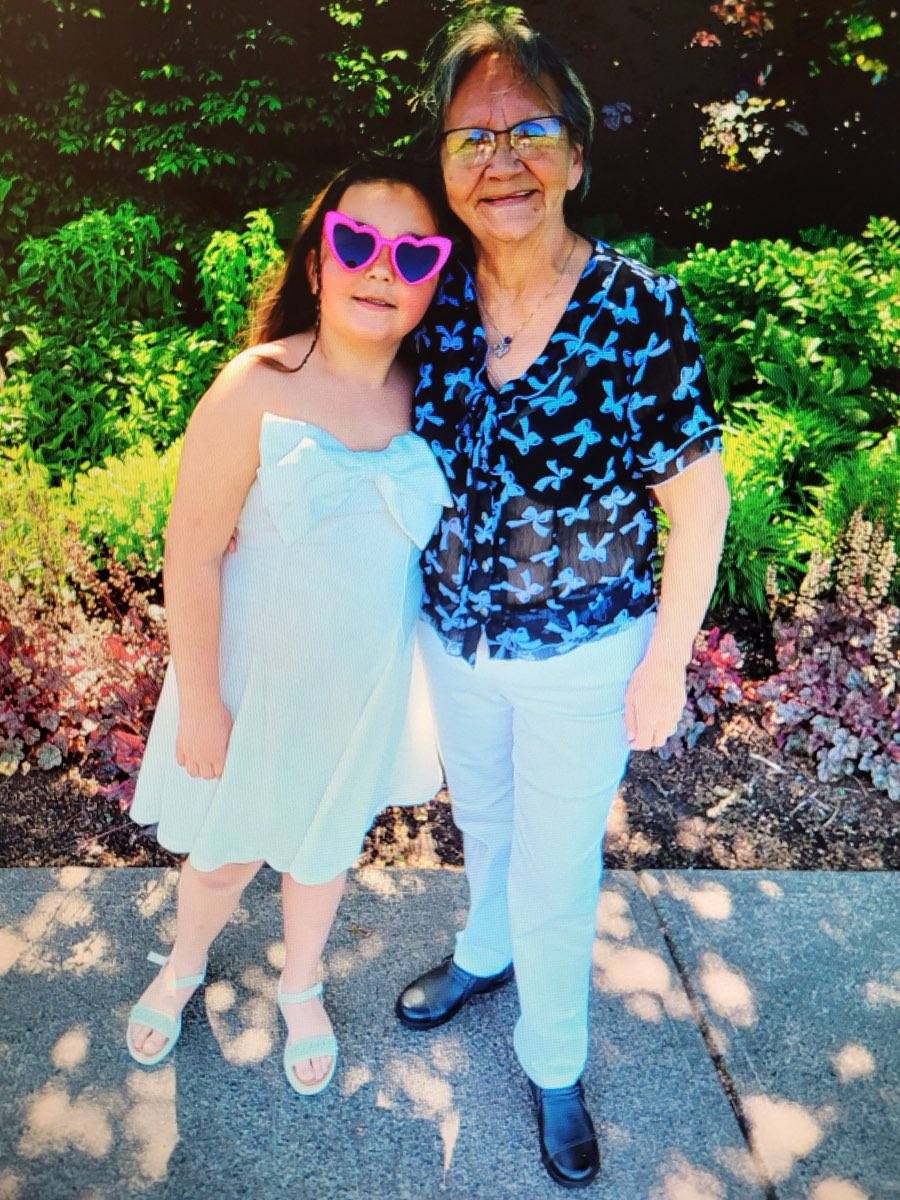
Martha Kahnapace's Story
Supporting incarcerated and recently released Indigenous women to walk in their Creator-given cultural and spiritual identity
Advocating with and for Indigenous women
Without societal justice to end systemic oppression, the harms will continue. The Sisters address unjust systems of incarceration as well as current societal structures which funnel Indigenous women into prison.
regarding the realities inside for incarcerated women
who can advocate together for women inside
of the female prison population is Indigenous — despite Indigenous women accounting for less than four per cent of the female population.
50%of federal segregation placements are Indigenous women, isolated from others for months and even years on administrative grounds.
50%+of federally sentenced women have identified mental health needs, with significant histories of trauma and abuse.
We call upon the federal, provincial, and territorial governments to provide sufficient and stable funding to implement and evaluate community sanctions that will provide realistic alternatives to imprisonment for Aboriginal offenders and respond to the underlying causes of offending.
35We call upon the federal government to eliminate barriers to the creation of additional Aboriginal healing lodges within the federal correctional system.
36We call upon the federal, provincial, and territorial governments to work with Aboriginal communities to provide culturally relevant services to inmates on issues such as substance abuse, family and domestic violence, and overcoming the experience of having been sexually abused.
37We call upon the federal government to provide more supports for Aboriginal programming in halfway houses and parole services.
"The Spirit of Creator has come to rest on me. He has chosen me to tell the good story to the ones who are poor. He has sent me to mend broken hearts, to tell prisoners they have been set free, to make the blind see again, and to lift up the ones who have been pushed down — to make known that Creator's Year of Setting Free has come at last!" Luke 4:16–19, First Nations Version